Key points
- Almost every class name comes down to two things: the equipment (mat or reformer) and the teaching tradition (classical or contemporary).
- Classical Pilates follows Joseph Pilates' original sequence; contemporary adapts it with modern movement science.
- Lagree on the Megaformer is a separate patented system, not Pilates, despite the visual similarity.
- If you have an injury or condition, see a physiotherapist before choosing a class type.
How do the types of Pilates fit together?
Two questions sort almost everything: what equipment does the class use, and which teaching tradition does it follow.
It helps to know where the method came from. Joseph Pilates developed it in the first half of the 20th century and called it "Contrology". His 1945 book Return to Life Through Contrology set out a sequence of 34 mat exercises that still underpins the classical repertoire today, as Pilates Anytime's piece on understanding Return to Life explains. Everything you'll read about below is a descendant of that work, adapted, reordered, and re-equipped over the decades.
Mat vs reformer: which equipment you use
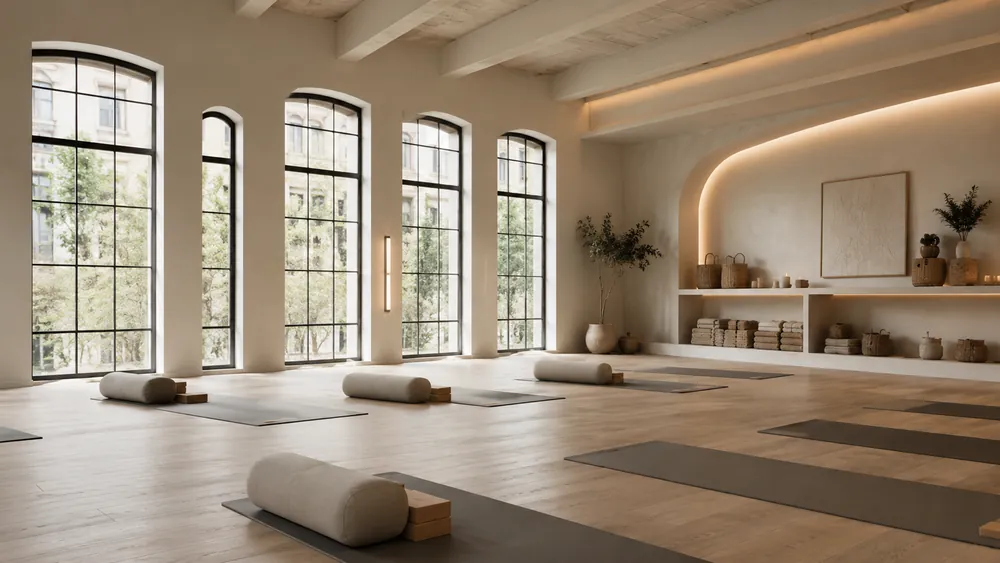
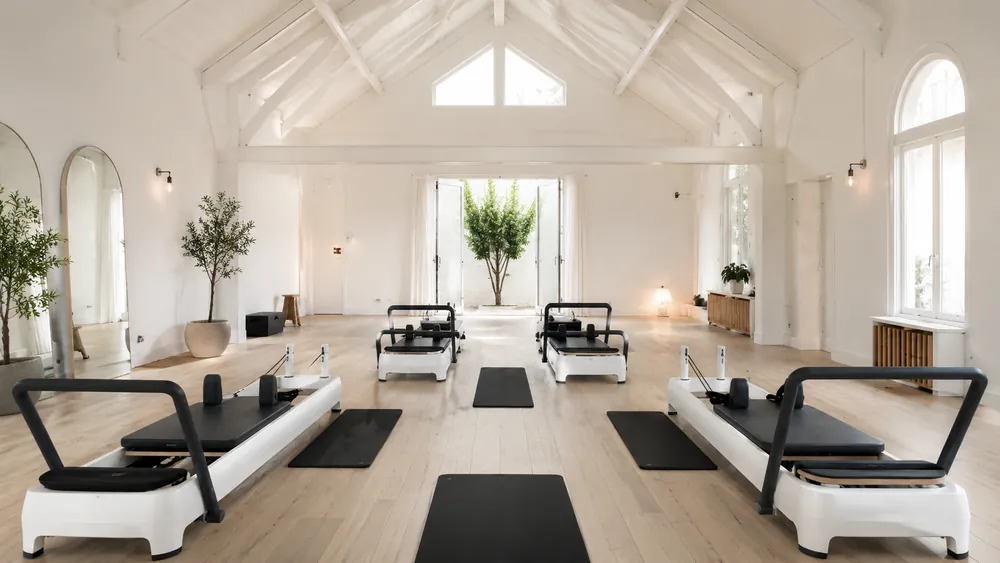
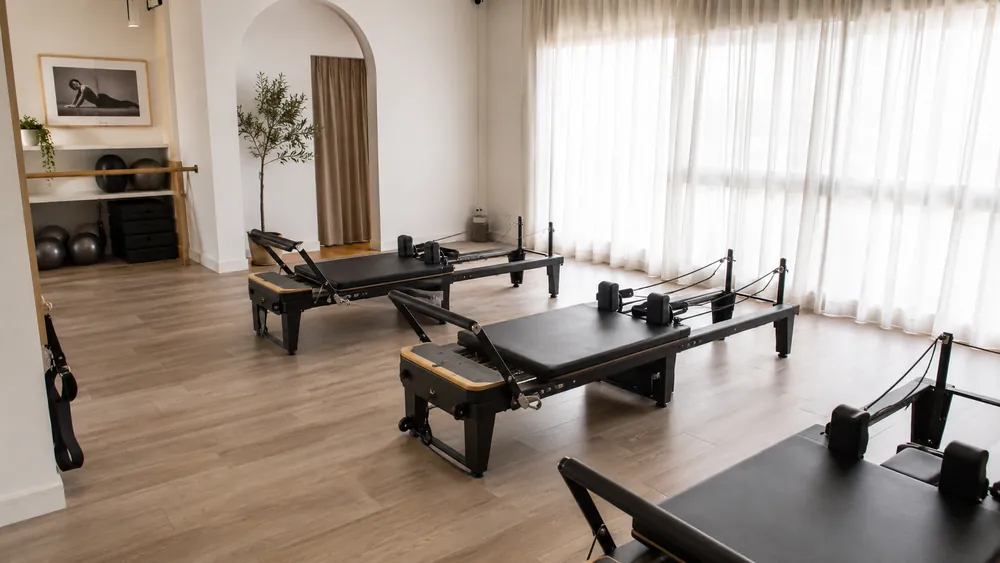
The first split is what you work on. Mat Pilates is body-weight work on the floor, sometimes with small props like a resistance band, a magic circle, or a soft ball. Reformer Pilates is done on a sprung carriage that slides on rails, where adjustable springs add resistance or assistance depending on the exercise.
Mat came first and it's still the foundation good teachers build from. With no spring to help you, you have to control every movement yourself, which is why a lot of instructors say it teaches cleaner technique. It's also cheaper and more portable. The mat Pilates guide covers the classical floor repertoire in full. The reformer adds variable resistance across a wide range, which is what lets one machine run everything from gentle rehab to advanced strength work, and the tactile feedback from the carriage helps many beginners feel the movement faster. Our reformer Pilates guide explains the machine itself, and reformer vs mat Pilates compares the two head to head on cost, class size, and progression.
Beyond the reformer sits the full apparatus: Cadillac, wunda chair, ladder barrel, and more. You'll mostly meet these in full-equipment studios and in private sessions rather than a standard group class. The Pilates equipment guide runs through what each piece does and when you'd actually use it.
Classical vs contemporary: which teaching tradition
The second split is which tradition the teacher follows, and it changes the feel of a class more than beginners expect. Classical Pilates aims to stay faithful to Joseph Pilates' original system: his exercises, in his intended order and flow, on apparatus built close to his specifications. Contemporary (sometimes called modern) Pilates keeps the core principles but folds in newer movement science, physiotherapy thinking, and variations, so the exercises and sequencing are more flexible and often more tailored to different bodies and conditions.
Classical appeals if you like a fixed, time-tested system you can master over years and a strong sense of where the work comes from. Contemporary appeals if you want a class that adapts more freely to your body, your goals, or an injury history, and plenty of Australian studios mix the two rather than stick strictly to one. Timetables usually tell you the equipment, not the teaching tradition, so if the tradition matters to you, ask the studio which one their teachers trained in. Most will happily tell you.
What about clinical or physio-led Pilates?
Clinical Pilates is Pilates delivered in a healthcare setting, typically led by a physiotherapist and used alongside a broader treatment plan rather than as a standalone fitness class. The exercises are selected and adjusted for your specific situation, often one on one or in very small groups, and the focus is controlled, individualised movement rather than a general workout.
Here's the honest boundary. If you're managing an injury, recovering from surgery, in pain, or living with a health condition, the right first move is to talk to a physiotherapist, not to pick a clinical-sounding class off a timetable. A physio can assess you and decide whether Pilates-based exercise suits your situation and how it should be adapted. A general studio class, however good, can't do that assessment. So treat clinical Pilates as something a qualified health professional guides you into, and route any injury or medical question through your GP or a physio first.
Reformer, hot, and Lagree: a few class formats
Three format variations come up a lot: reformer-based classes, hot Pilates, and Lagree.
Reformer-based classes are the most common machine format in Australia, and many studios run their whole timetable on reformers in boutique group classes capped at roughly 8 to 12 machines, which keeps the instructor close enough to correct your form. That's covered in the reformer Pilates guide.
Hot Pilates runs a mat or equipment class in a heated room to lift the intensity and loosen muscles faster. The heat changes the safety picture, so it suits healthy adults who tolerate heat well rather than absolute beginners, and it's worth checking with your GP first if you have any cardiovascular issue or take medication that affects heat regulation.
Lagree, performed on the Megaformer, looks like a reformer with attitude but is a separate, patented system that its creator is firm is not Pilates. It's built for high-intensity, constant-tension strength and endurance work, so it usually feels harder and more cardio-like in the moment than a classical reformer class. The Megaformer and Lagree guide explains the difference straight from the brand, so you know what you're booking.
Group vs private: how the class is delivered
Group classes are the default and the affordable option. A casual mat class in Australia typically runs $20 to $35 and a casual reformer class $35 to $60 as a 2026 range that varies by studio and city, and a beginner group series is plenty for most healthy people starting out.
Private sessions cost more per session but earn it in specific situations: working around an injury, recovering post-surgery, pregnancy, or fixing something a group class can't give you attention on. Some studios also ask new clients with a complex injury history to do a private assessment before joining group reformer classes, which is a legitimate safety step. For anything injury-related, the decision should run through a physiotherapist rather than being chosen by class size alone.
So which type should you start with?
For most healthy beginners, the honest starting point is a beginner mat or reformer group class, in whichever tradition your local studio teaches, and you don't need to resolve the classical-versus-contemporary question to begin. When you've got a shortlist, our guide on how to choose a Pilates studio covers the questions worth asking about class caps, beginner pathways, and lock-in before you sign. Or browse Pilates studios near you and book an intro offer.
| If you want... | Start with | Read more |
|---|---|---|
| The cheapest, most portable foundation | Mat Pilates (group) | Mat Pilates guide |
| Machine resistance and faster tactile feedback | Reformer Pilates (beginner group) | Reformer Pilates guide |
| Help choosing between the two | Either, after comparing | Reformer vs mat Pilates |
| A high-intensity, sweat-heavy strength burn | Lagree on the Megaformer | Megaformer and Lagree explained |
| To understand the full apparatus | A full-equipment studio | Pilates equipment explained |
| Support for an injury or condition | A physiotherapist first | (route via your GP / physio) |
Related guides: Mat Pilates guide (/guides/mat-pilates), Reformer Pilates guide (/guides/reformer-pilates), Reformer vs mat Pilates (/guides/reformer-vs-mat-pilates), Megaformer and Lagree explained (/guides/megaformer-lagree-explained), Pilates equipment explained (/guides/pilates-equipment-explained)
Types of Pilates: A Plain Map of Every Style: common questions
- What is the difference between mat and reformer Pilates?
Mat Pilates is body-weight work on the floor, sometimes with small props, while reformer Pilates uses a sprung carriage whose adjustable springs add resistance or assistance. Mat is cheaper, more portable, and arguably teaches cleaner technique because nothing assists you. Reformer loads movements you could not do on the floor and gives faster tactile feedback. Many people end up doing both.
- What is the difference between classical and contemporary Pilates?
Classical Pilates stays close to Joseph Pilates' original exercises, order, and apparatus. Contemporary Pilates keeps the core principles but adds modern movement science and variations, so it adapts more freely to different bodies and goals. Neither is better, and many studios sit between the two. If the lineage matters to you, ask which tradition the teachers trained in.
- What is barre Pilates?
Barre Pilates is a fusion class that blends Pilates principles with ballet-barre work and small, repeated movements, usually using a fixed barre for support. It is its own hybrid rather than a traditional Pilates type. If you are after a barre-style class specifically, browse barre studios and check the timetable, since studios define these fusion classes differently.
- Is Lagree the same as reformer Pilates?
No. Lagree is a separate, patented method performed on the Megaformer, and its creator is clear it is not Pilates. It is built for higher intensity and constant muscle tension, so it tends to feel harder and more cardio-like than a classical reformer class. The Megaformer and Lagree guide explains the distinction using the brand's own definitions.
- Which type of Pilates is best for beginners?
A beginner-labelled mat or reformer group class is the usual starting point for healthy beginners, and you do not need to decide on a tradition first. Mat has the lowest cost and barrier; reformer offers machine feedback and a quick safety briefing. If you are carrying an injury or a health condition, see a physiotherapist before choosing.
- Is clinical Pilates better than studio Pilates?
They are different things rather than better or worse. Clinical Pilates is led by a physiotherapist as part of a treatment plan and tailored to your situation, while studio Pilates is general fitness in a group or class setting. If you have an injury or condition, start with a physio, who can decide whether and how Pilates-based exercise should be part of your care.
Ready to find a studio?
Compare pilates studios across Australia. Filter by location, read real reviews, and enquire direct.