Key points
- A casual reformer class in Australia typically costs $35–$60; mat Pilates runs $20–$35. These are 2026 ranges, and your city and studio will move them.
- Class packs of 5 or 10 save roughly 15–25% per class versus casual rates, with no lock-in or direct debit: the right tier for beginners still building a habit.
- An unlimited membership ($200–$350/month for reformer) only beats a 10-class pack once you're going three or more times a week consistently. Count last month's actual classes before signing.
- Most studios run a 2-week unlimited intro offer for $45–$80: the cheapest low-risk way to test a studio before committing. Check whether it auto-rolls to a paid membership at the end.
- Private sessions vary widely by studio and instructor, so ask directly rather than assuming a national rate. They earn their cost for injury work, post-surgery rehab, or pregnancy.
What does a single Pilates class cost?
A casual drop-in reformer class in Australia typically costs $35 to $60. A casual mat Pilates class is cheaper, usually $20 to $35, because mat classes need no equipment and run larger numbers. Inner-city and boutique studios sit at the top of each range; suburban and regional studios sit lower. These are 2026 norms that vary by studio and city, not fixed prices.
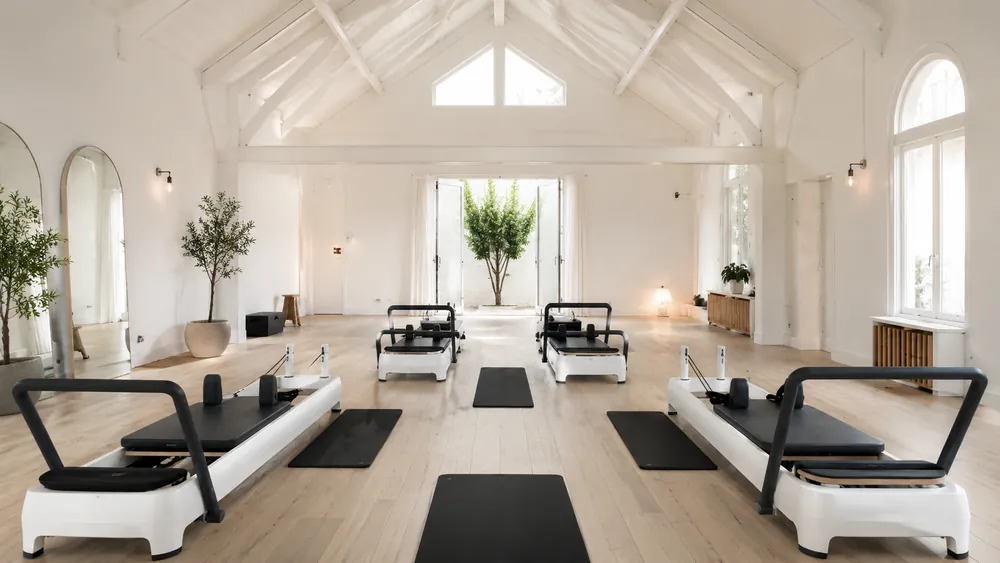
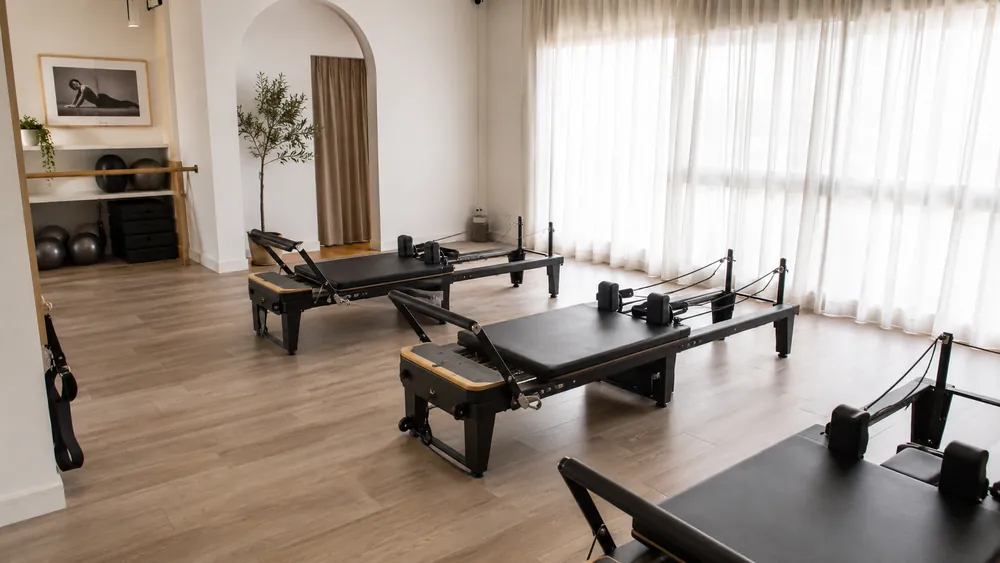
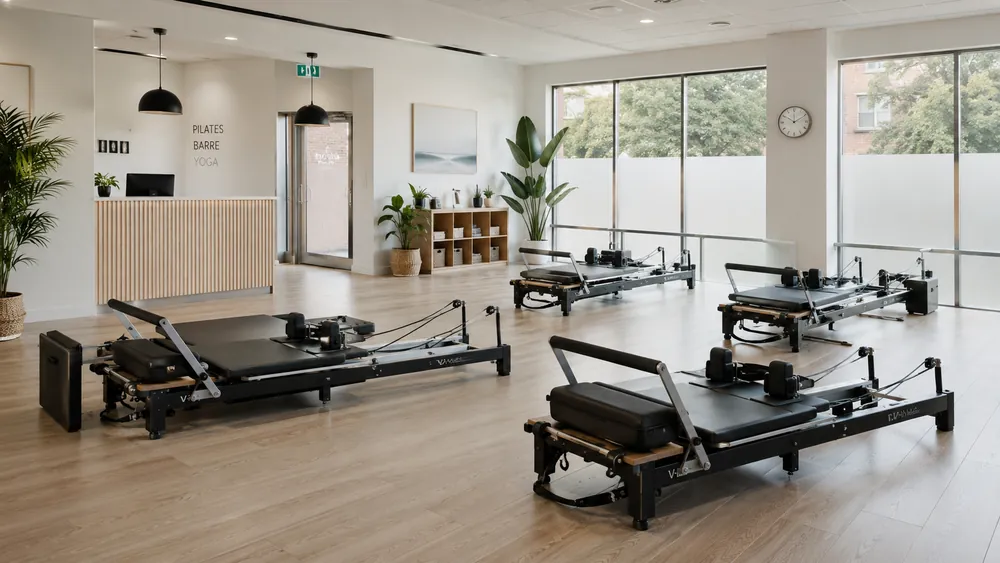
The split between the two formats is the first thing that decides your cost. Reformer Pilates uses a spring-resistance machine, so the studio carries real equipment cost and caps the room at 8 to 12 reformers, which keeps per-head revenue up and the casual price high. Mat Pilates needs a mat and floor space, runs more bodies per class, and prices accordingly. If you want the full picture on the machine itself, our reformer Pilates guide covers what it is and how to pick a studio, and the mat Pilates guide does the same for the floor-based format. The reformer vs mat comparison sets the two side by side on cost, class size, and what each is best for.
One thing worth knowing before you pay a casual rate at all: almost no regular Pilates-goer pays the casual price. It exists mostly as the anchor that makes packs and memberships look like a deal, and as the rate for travellers and one-off visitors. If you plan to go more than once or twice, the casual rate is the wrong tier to be on.
| Pricing tier | Typical 2026 cost | Best for |
|---|---|---|
| Casual mat class | $20–$35 | One-off visits and travellers |
| Casual reformer class | $35–$60 | One-off visits and travellers |
| Class pack of 5 or 10 | Saves roughly 15–25% per class vs casual | Beginners training once or twice a week |
| Unlimited reformer membership | $200–$350/month | Going three or more times a week consistently |
| Unlimited mat or yoga-style membership | $180–$280/month | Frequent mat-based training |
| 2-week unlimited intro offer | $45–$80 | Testing a studio before committing |
| Private or duet session | Priced per studio and instructor; ask directly | Injury work, post-surgery rehab, or pregnancy |
Typical 2026 ranges across Australia. Your city and studio will move them.
Match the tier to your attendance
Before signing an unlimited membership, count how many classes you actually went to last month, not how many you intend to go to next month. A membership only beats a 10-class pack once you are going three or more times a week consistently.
Are class packs cheaper than paying casually?
Yes, usually. Class packs of 5 or 10 typically save roughly 15 to 25% per class compared to the casual drop-in rate. A 10-pack is the sweet spot for most people who train once or twice a week, because it brings the per-class cost down without locking you into a monthly direct debit you might not use.
The catch with packs is expiry. Most studios put an expiry window on a pack (often a few months) so you can't buy 10 classes and stretch them across a year. Ask what the expiry is before you buy, and be honest with yourself about how often you'll actually go. A 10-pack that lapses with three classes unused is worse value than paying casually for the seven you took. If a studio sells packs with no expiry, that's a genuinely good sign and worth factoring in.
Packs also tend to be the most flexible tier. No notice period, no cancellation clause, no minimum term. For a beginner still working out whether Pilates is going to stick, that flexibility is worth more than the small extra saving a membership might offer.
How much is an unlimited Pilates membership?
An unlimited monthly reformer membership in Australia typically runs $200 to $350. A mat or yoga-style membership sits lower, often $180 to $280. The number depends on the studio segment, the city, and whether the membership is truly unlimited or capped at a set number of classes a week. As with every figure here, treat these as 2026 ranges that move with location.
An unlimited membership only beats a 10-class pack once you're going three or more times a week, every week, consistently. At two classes a week, a pack is almost always cheaper. At one class a week, a membership is a straightforward waste of money. The honest test before you sign: count how many classes you actually went to last month, not how many you intend to go to next month.
Memberships are also where the contract terms bite. A reasonable one runs month to month with a 30-day notice period and a pause option for injury or travel. A bad one locks you into a 12-month minimum with an exit fee, and keeps debiting whether you show up or not. Get the terms in writing before you commit. Our guide on how to choose a Pilates studio walks through the exact cancellation and lock-in questions to ask.
What about private or duet sessions?
One-on-one Pilates costs more per session than any group class, and the range is wide enough that quoting a single national figure would be misleading. Privates are priced per studio and per instructor, with senior and clinically trained instructors charging more, so the only reliable number is the one the studio gives you. Ask directly, and ask whether a duet (two clients, one instructor) brings the per-person cost down.
Private sessions earn their cost in specific situations. If you're working through an injury, recovering post-surgery, pregnant, or you want to fix something a group class can't give you attention on, a few privates at the start can be money well spent. Some studios also require a private assessment or a short series of privates before you join group reformer classes, especially if you have a complex injury history. That's a legitimate safety step, not always an upsell, but it's fair to ask which it is.
For most healthy beginners, you don't need privates to start. A good beginner group series will get you safely into the work for a fraction of the cost.
What drives the price up or down?
The same class can cost very different amounts depending on a handful of levers, and only one of them is in your hands.
Format is the biggest fixed input: reformer costs more than mat every time, because the equipment and the smaller class cap see to that. Location comes next, and it works through rent. A reformer class in the Sydney or Melbourne CBD sits at the top of the $35 to $60 range, while the same class in a regional town or an outer suburb sits at the bottom. Class size moves the number too: boutique studios cap reformer classes at 8 to 12 so the instructor can actually correct your form, and they charge for that attention, whereas larger chain rooms run more reformers per class and can price a touch lower in exchange for less personal correction. Instructor training layers on top, with fully trained or clinically qualified instructors generally charging more than entry-level group-fitness instructors; whether that premium is worth it depends on your goals, though for rehab or serious technique work it usually is.
The one lever you actually control is the commitment tier. The same studio will sell you the same class at wildly different per-class prices depending on whether you're on a casual rate, a pack, or a membership. Picking the tier that matches your real attendance is the single biggest thing you can do to change what Pilates costs you.
Reformer vs mat vs studio Pilates: a cost comparison
Here's how the three common formats line up on casual price, who they suit, and the trade-off you're making. Ranges are typical 2026 figures that vary by studio and city. Full-equipment studios run reformers alongside Cadillacs, towers, chairs, and barrels, and they tend to deliver the work in privates or very small groups, which is why they sit at the top end. Most people start on mat or in a reformer group class and never need the full apparatus, so don't let the existence of a pricier tier push you into it before you've decided Pilates is for you.
| Format | Typical casual price | Best for | Trade-off |
|---|---|---|---|
| Mat Pilates | $20 to $35 | Beginners, budget, building foundations, travel | Less resistance, larger classes, less individual correction |
| Reformer Pilates | $35 to $60 | Strength and tone, injury work, tactile feedback | Costs more, needs a studio with the machines |
| Full-equipment studio | Often priced as privates or small groups; ask the studio | Rehab, progression beyond the reformer, classical work | Highest cost, usually smaller groups or one-on-one |
Should you take the intro offer?
Yes, almost always. A clean intro offer is 2 weeks (or 14 days) of unlimited access for around $45 to $80, and it's the cheapest low-risk way to test a studio properly before committing real money. Two weeks unlimited lets you try different class times and instructors, and work out whether the place actually fits before any membership question comes up.
Two things to check before you hand over the card. First, does the intro auto-roll into a paid membership when it ends? A customer-friendly studio lets the offer simply lapse; a trap auto-converts you to a monthly debit unless you actively cancel. Always ask: "What happens on day 15? Do I have to do anything to stop being charged?" Second, does the offer cover all classes, or quietly exclude peak times and the popular instructors? An intro that only lets you train at 11am on a Tuesday isn't testing the studio you'd actually use.
Used properly, the intro offer does double duty. It's both the cheapest fortnight of Pilates you'll buy and your real audition of the studio. If you finish the two weeks dreading the next class, you've learned something worth far more than $59.
How to get the best value from Pilates
Beyond matching the tier to your attendance, a few specific moves bring the real cost down without cutting corners.
Start on the intro offer, not a membership. Use the fortnight to find out how often you genuinely go, then buy the tier that fits that number. If you settle at once or twice a week, live on a 10-pack. If you're reliably hitting three-plus, the unlimited membership starts to pay. Don't buy unlimited on the strength of a New Year's resolution.
Watch the add-ons, because they stack. Grippy socks are required at most reformer studios and usually cost around $15 to $25 a pair at the front desk if you don't bring your own. Some studios charge a sign-up fee on memberships and a no-show fee if you don't cancel a booking in time. None of these are unreasonable on their own, but they add up, and a studio that spells them out plainly is worth more of your trust than one that lets you find them on the invoice. The studio-choosing guide lists the hidden-cost questions worth asking before you sign.
Mix formats to manage cost. Mat classes are cheaper than reformer and still genuinely deepen your technique, so a beginner on a budget can do most of their volume on the mat and add reformer when the budget allows. Plenty of strong practitioners run exactly this split for years.
And be ruthless about the membership you're not using. If your attendance drops, downgrade or pause rather than letting an unlimited membership debit through months where you went twice. Studios will almost always work with you if you ask; they just rarely volunteer it.
How Much Does Pilates Cost in Australia?: common questions
- Is reformer Pilates worth the extra cost over mat?
It depends on what you're after. Reformer costs more because of the equipment and smaller class caps, and it suits strength, tone, injury work, and anyone who responds to tactile feedback from the machine. Mat is cheaper, more portable, and builds the same foundations. Many people do both, using mat for volume and reformer for the work they want machine resistance for.
- How much should a beginner budget for the first month?
A realistic first month is one intro offer (around $45 to $80 for two weeks unlimited), a pair of grippy socks (around $15 to $25 if the studio requires them and you don't own any), and then whichever tier you settle on for the back half of the month. Starting on the intro rather than a membership keeps that first month low while you work out your real attendance.
- Why is Pilates more expensive than a regular gym class?
Boutique reformer classes cap at 8 to 12 people so the instructor can correct your form in real time, the studio carries the cost of the reformers themselves, and inner-city rent is high. You're paying for small-group attention and specialised equipment, not just floor time. Larger chain studios run more reformers per class and can price a little lower as a result.
- Are memberships ever worth it for a beginner?
Rarely in the first couple of months. Most beginners aren't yet going three-plus times a week, which is the point where an unlimited membership beats a 10-pack. Start on a pack, build the habit, and switch to a membership only once your actual attendance justifies it. Count last month's classes, not next month's plans.
- Do prices vary much between cities?
Yes. Inner-Sydney and inner-Melbourne studios generally sit at the top of every range, driven mostly by rent. Suburban, regional, and smaller-city studios tend to sit lower. The national ranges on this page hold up broadly, but your local market sets the exact number, so compare a few studios near you before assuming.
Ready to find a studio?
Compare pilates studios across Australia. Filter by location, read real reviews, and enquire direct.