Key points
- No. Flexibility is a result of yoga and Pilates, not a requirement for them.
- Starting with tight hips and hamstrings is the normal starting point, not a disqualifier.
- A good instructor adjusts every exercise to your range. You build the flexibility by doing the thing.
- A pose should never cause pain. Stop if something hurts, and see your GP or physio if you have an injury.
The short answer: no, and here's why
You don't. Flexibility is a result of yoga and Pilates, not a prerequisite for them. Victoria's Better Health Channel, a government health service, describes yoga as "non-competitive and suitable for anyone, regardless of your age or fitness level," and lists improved flexibility among its benefits. You build the thing by doing the thing.
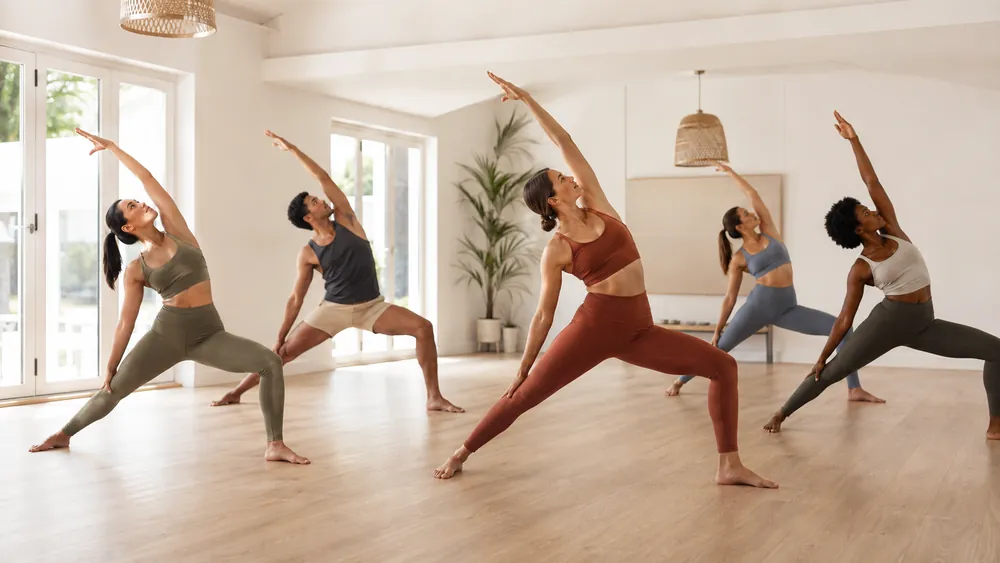
Look at how the movement itself is framed. The same Better Health Channel page says the movements of yoga "are designed to challenge flexibility, balance, coordination and strength." Challenge, not assume. Tight hamstrings and stiff hips are the raw material a beginner class is built around, not a disqualifier. If everyone arrived already loose and mobile, half the point of the class would be gone.
Pilates works the same way. The Better Health Channel's Pilates page puts "improved flexibility" first on its list of health benefits, and notes the method "caters for everyone, from beginner to advanced." Australia's national health service, healthdirect, says plainly that instructors "can adjust yoga and Pilates moves to suit all ages and fitness levels." A good instructor is trained to meet a stiff beginner where they are.
Where the "I'm not flexible enough" myth comes from
Instagram, mostly. Search yoga and you get a feed of people folded into shapes that took them years to reach, shot on a clifftop at sunrise. That's the highlight reel, not the Tuesday-night beginners class in a suburban studio. The acrobatic stuff is the exception, and treating it as the entry bar keeps people who'd benefit most stuck on the couch.
There's a second trap hiding inside the first. People assume flexibility is fixed, something you either inherited or you didn't. It isn't. The person who can't reach past their knees in week one is often surprised by week six, and the change has nothing to do with genetics and everything to do with showing up.
What beginners actually need
Far less than you think. You need clothes you can move in, a willingness to start where your body is today, and an instructor worth their salt. That's the real list.
On the clothing front, healthdirect's guidance is to "wear clothing that allows you to move freely," and notes some studios require clean, slip-resistant socks, so it's worth checking ahead. Fitted activewear works best because loose tops ride up the moment you bend forward or lie back. Yoga is usually barefoot; most Pilates and barre studios want grippy socks. If you forget them, plenty of studios sell a pair at the front desk, often somewhere around $15 to $25, though that varies by studio.
The bigger thing is the mindset, and it's a small adjustment. You're not auditioning. The instructor's job is to watch your form and hand you the version of each move that fits your body. Tell them at the start that you're new, and the next hour gets easier. Our guide on walking into your first class covers that opening conversation in more detail.
What yoga and Pilates do for stiff bodies
This is the part the toes-touching crowd misses. Stiffness is exactly what these practices are good at loosening, gently, over time. The Better Health Channel notes that in yoga, joints "are moved through their full range of motion, which encourages mobility and eases pressure," and that the stretching "releases muscle and joint tension, and stiffness." So the stiffer you are, the more there is to gain.
Pilates approaches it from a slightly different angle. It builds strength and control through the deep core and the muscles around the spine, which is part of why physiotherapists use it in rehab settings. The Better Health Channel describes Pilates as a method that "promotes mobility and strength of all the major muscle groups in the body in a balanced fashion." You don't need to be bendy to get value from that. You need to turn up and let the springs and the slow tempo do their work.
One honest caveat. Loosening up takes weeks, not one session. You'll likely feel a bit more open after a single class, but the lasting change is a consistency game.
How to pick a first class when you're not flexible
Look for the word "beginners," and look for small classes. A studio that runs a dedicated beginners' or foundations series is telling you it takes new bodies seriously, including stiff ones. Boutique studios that cap class numbers give the instructor room to walk over and adjust you, which matters far more when you're unsure what you're doing.
A few signals worth checking on a studio's website or by a quick phone call:
- A beginners' or foundations series, usually two to three classes, before you join mixed-level groups.
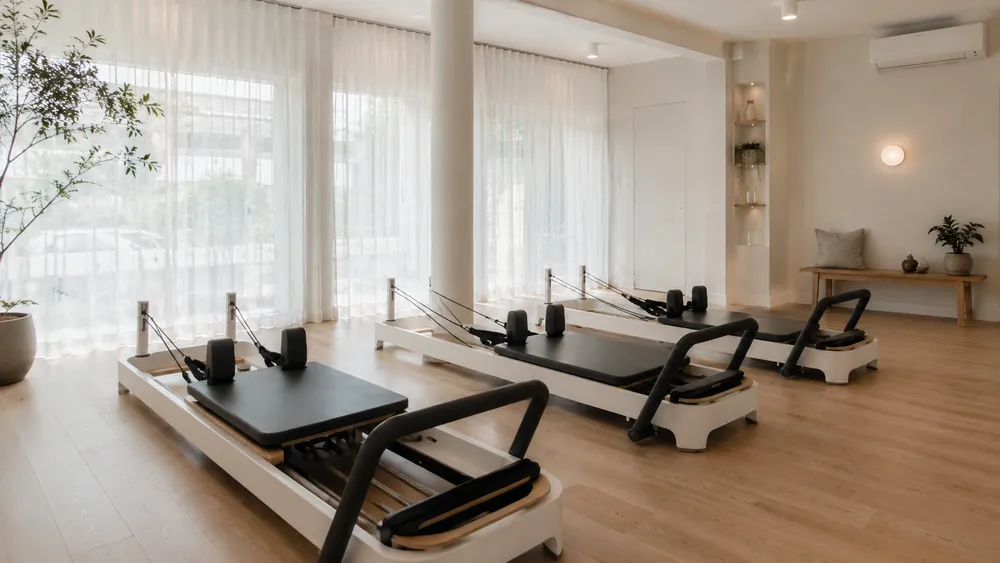
- Small class sizes. Boutique reformer studios often cap at 8 to 12 so the instructor can correct alignment in real time.
- Mentions of modifications and props. Blocks, straps, and resistance bands exist precisely so a less flexible body can do the same movement safely.
If you're carrying an injury or a health condition, the path is slightly different. healthdirect notes that beginners or anyone with an injury may be better off starting with a one-on-one session so an instructor can assess them properly, and that you should stop if you feel pain and ask your instructor for guidance. The Better Health Channel adds that an asana "should never cause pain," and that you should keep within your physical limits. For anything significant, check with your GP or a physiotherapist before you start. You can also find a qualified yoga teacher through Yoga Australia or a Pilates instructor through the Pilates Association Australia.
Start before you're "ready"
There's no flexibility threshold you cross to become allowed in, and the class is what makes you more flexible. Pick a beginners' class, wear something you can move in, tell the instructor you're new, and take the modification when it's offered.
If you're still weighing up which discipline to try first, the reformer Pilates guide, the mat Pilates guide, and the vinyasa yoga guide go deeper on each. Or just browse Pilates studios and yoga studios near you and book the intro offer.
This guide is general information only and is not medical advice. See your GP or an allied health professional for advice about your own situation.
Do You Need to Be Flexible to Start Yoga or Pilates?: common questions
- Do I need to be able to touch my toes to start yoga?
No. Touching your toes is not a requirement for any beginners' class. Tight hamstrings are common and instructors offer props and modified poses for exactly this. The Better Health Channel describes yoga as suitable for anyone regardless of age or fitness level.
- Will yoga or Pilates make me more flexible?
Yes, with consistent practice. Both list improved flexibility among their core benefits per Victoria's Better Health Channel. The movements are designed to challenge and improve flexibility over weeks, not to test it on day one.
- I'm really stiff and unfit. Can I still start?
Yes. healthdirect notes instructors can adjust moves to suit all fitness levels, and the Better Health Channel says Pilates can suit people with limited mobility and low fitness levels. Look for a beginners' series and tell the instructor you're new. If you have an injury or health condition, consider a one-on-one to start and check with your GP.
- What's the difference between flexibility for yoga and for Pilates?
Yoga leans more on stretching and holding poses, so it tends to open up tight muscles directly. Pilates builds strength and control through the core and spine, with flexibility as part of the package. Neither requires you to be flexible first.
- Should I stretch a lot before my first class to prepare?
You don't need to. A beginners' class warms you up as part of the session. Forcing deep stretches cold can do more harm than good. The Better Health Channel notes a pose should never cause pain, so ease off anything that hurts and let the class set the pace.
Ready to find a studio?
Compare pilates studios across Australia. Filter by location, read real reviews, and enquire direct.