Key points
- Pilates trains the deep stabilising muscles, transversus abdominis, pelvic floor, multifidus, not just the visible abs.
- Research describes the transversus abdominis as the primary stabiliser of the lumbar spine and pelvis, activated before limb movement.
- Core strength and visible abs are different things. Pilates builds the former; the latter depends on body fat.
- Many people practising two to three times a week report a stronger, more stable midsection at around 6 to 8 weeks: typical experience, not a guarantee.
How does Pilates build core strength?
Pilates builds core strength by training the deep stabilising muscles through slow, controlled movement rather than fast reps. healthdirect, the national health service, lists core strength among the main benefits of Pilates, alongside balance, flexibility and posture. The work is precise and low-tempo on purpose, because the muscles it targets respond to control, not speed.
The "core" is more than the abs you can see. It includes the abdominal and back muscles, the pelvic floor, the diaphragm, and a deep wraparound muscle called the transversus abdominis. A 2023 study of Pilates exercises describes the transversus abdominis as the primary stabiliser of the lumbar spine and the pelvis, activated prior to any movement of the limbs. It works like a deep band around your middle that braces a fraction of a second before you reach, lift, or step, so your spine stays supported. The same study notes that this muscle is often underused or not working well in people with low back pain. Pilates trains it directly, which is a big part of why the method is associated with core stability and back support rather than just abdominal burn.
Most ab routines never reach that deep layer.
Which muscles Pilates actually trains
The core isn't one muscle, and Pilates works the deep layer many ab routines miss. Pilates is built to recruit that deep layer. Classic exercises like the Hundred or a dead bug ask you to hold a stable, braced trunk while your arms or legs move, which is exactly the job the transversus abdominis exists to do. The 2023 study found that of five common Pilates exercises tested, the dead bug produced the greatest activation of that deep stabiliser. Reformer Pilates adds spring resistance to load these patterns further; our reformer Pilates guide covers how the machine works. Mat Pilates drills the same control using body weight, and is the cheaper way to learn the foundations, covered in our mat Pilates guide.
The point of all this isn't a flatter stomach. It's a midsection that stabilises your spine when you bend to pick up a kid, carry shopping, or sit through a long day.
| Muscle | Location | Role |
|---|---|---|
| Transversus abdominis | Deep front/sides of abdomen | Primary spine and pelvis stabiliser; activates before limb movement |
| Multifidus | Along the spine | Segmental spine support; works alongside transversus abdominis |
| Pelvic floor | Base of the pelvis | Closes off the "canister" of deep core stability |
| Diaphragm | Base of ribcage | Top of the canister; Pilates breathing trains it alongside the deep core |
| Internal and external obliques | Sides of the abdomen | Rotation and side-bending; secondary stabilisers |
| Rectus abdominis | Front of abdomen | Flexion; the visible "six-pack" surface muscle |
How long before you notice a change
Core strength tracks consistency more than the calendar, so any number is a guide rather than a promise. Most people doing Pilates two to three times a week start to feel a stronger, more stable midsection at around 6 to 8 weeks, usually as better control first (holding a position without wobbling, bracing without thinking about it) before it feels like raw strength.
The honest caveats are worth stating. Once a week tends to maintain rather than build. The gains fade if you stop, the same as any training, so the people who keep a strong core are the ones who keep practising. And early progress is often about your nervous system learning to recruit the deep muscles properly, not the muscles themselves getting bigger, which is why the first few weeks can feel like a fast jump followed by a slower grind. If you've put in a couple of consistent months with no change in how stable or strong you feel, that's a reason to get a physio's read rather than just pushing harder.
Will Pilates give me a flat stomach or a six-pack?
This is the question studios get asked most, and the straight answer is that Pilates builds core strength, not visible abs on its own. Whether muscle definition shows through is mostly about body fat, which is driven by overall diet and activity, not by core exercises specifically. You can have a genuinely strong, well-trained core under a soft midsection, and plenty of strong people do.
Pilates can be part of a more active routine that supports a healthy weight, and healthdirect lists Pilates among exercises worth adding to a weekly fitness routine. But treat any "Pilates for abs in 30 days" or "blast belly fat" promise with suspicion. Core strength is the real, repeatable benefit here. Visible abs are a separate project that no single class type controls, and for anything to do with weight or nutrition, your GP or an accredited dietitian is the right person to ask.
When back pain or injury is a job for a physio first
Pilates is a reasonable choice if your goal is general core strength, better stability, and moving more comfortably. It is not the right first stop when there's pain or a fresh injury in the picture.
See a physiotherapist or your GP before starting if you have:
- Back, neck, or abdominal pain that's persistent, severe, or getting worse.
- A recent injury, surgery, or a diagnosed spinal condition that hasn't been cleared for exercise.
- Pain that radiates down an arm or leg, or pins and needles, numbness, or weakness in a limb.
- A hernia, or core symptoms after pregnancy (such as ongoing abdominal separation) that haven't been assessed.
- Pain that comes on during core exercises and doesn't settle.
healthdirect notes that Pilates may help people recover after an injury by strengthening muscles and improving movement, and that if you're recovering from one you should tell your instructor so they can adjust the exercises. It also advises that beginners, or anyone with an injury, may need a one-on-one session so an instructor can assess them properly. For anything tied to pain or a diagnosis, that individual assessment from a physio beats any group class, and a good physio may even prescribe Pilates as part of your plan once they've checked you. If your interest in core work is specifically about back pain, see a physio first rather than self-prescribing a class.
What to look for and what it costs
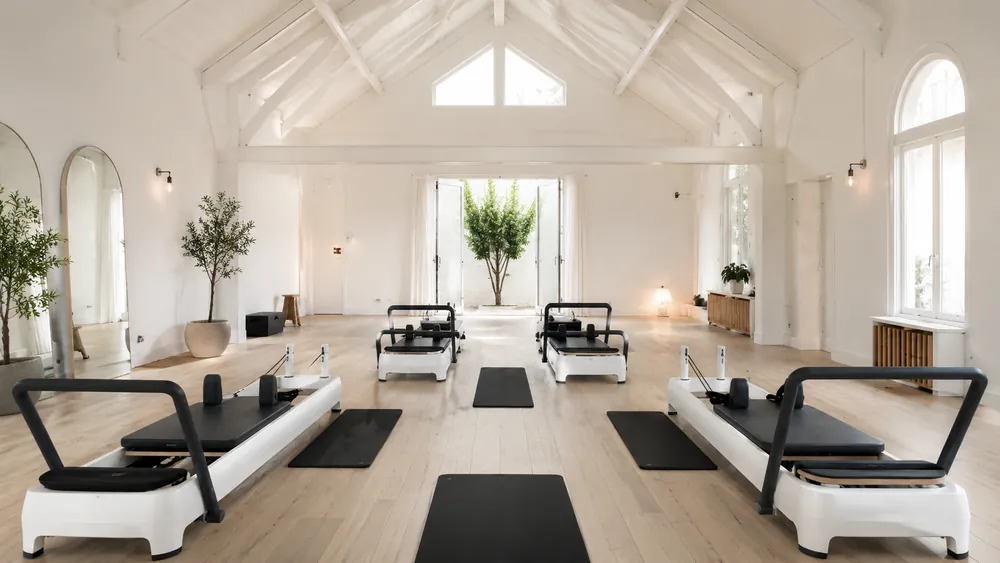
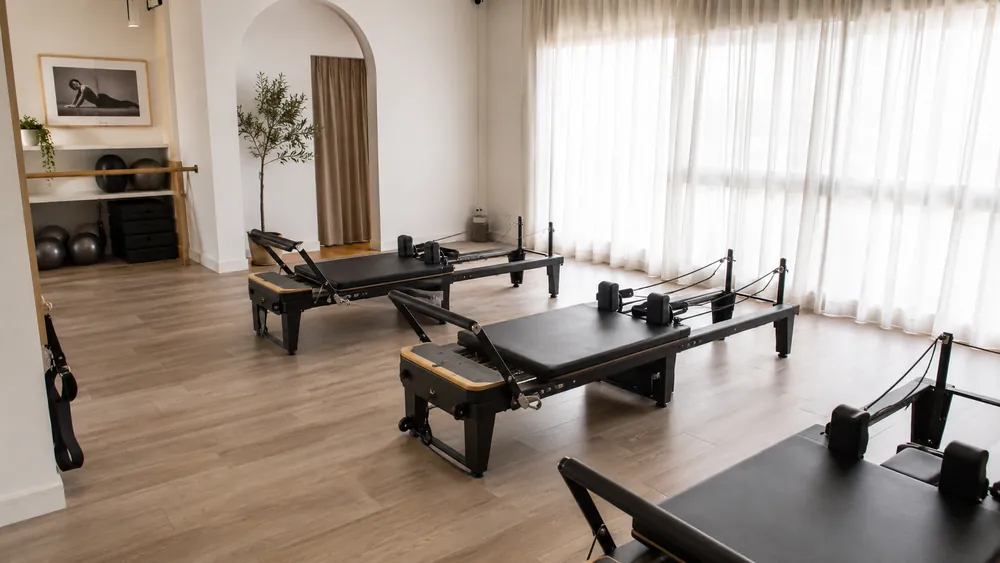
For core strength, most Pilates formats work, and the choice comes down to what you'll keep doing. Reformer uses spring resistance to load the deep core in a controlled way, and boutique studios cap classes at roughly 8 to 12 reformers so the instructor can actually watch your form. Casual reformer classes around Australia tend to run $35 to $60, though this varies by studio and city. Mat Pilates is the cheaper entry point, usually $20 to $35 a drop-in, and it's strong for drilling the deep-core control everything else builds on.
The things that matter for core work are the same whichever you pick: a teacher who watches and cues your bracing rather than just counting reps, a beginner or foundations option so you learn to find the deep muscles safely, and a schedule you can realistically hit two or three times a week. healthdirect's advice for anyone new, or anyone with an injury or condition, is to start with a qualified instructor rather than learning from videos alone. You can find a registered Pilates instructor through the Pilates Association Australia member directory, and our guide on how often to do Pilates covers building a sustainable schedule.
Compare Pilates studios, formats, and prices near you on Studio Finder's Pilates listings, or search beginner-friendly classes to start from the foundations.
This guide is general information only and is not medical advice. See your GP or an allied health professional for advice about your own situation.
Pilates for Core Strength: common questions
- How does Pilates strengthen your core?
Pilates trains the deep stabilising muscles through slow, controlled movement, especially the transversus abdominis, which research describes as the primary stabiliser of the spine and pelvis that braces before your limbs move. healthdirect lists core strength among Pilates' main benefits. The work is precise and low-tempo because those muscles respond to control rather than speed.
- How long does it take to build core strength with Pilates?
Most people practising two to three times a week start to feel a stronger, more stable core at around 6 to 8 weeks, usually as better control before raw strength. Treat that as typical experience, not a guarantee. Consistency matters more than intensity, once a week tends to maintain rather than build, and gains fade if you stop.
- Will Pilates give me a six-pack or flatten my stomach?
Pilates builds core strength, but visible abs come down to body fat, which is driven by overall diet and activity rather than core exercises alone. You can have a strong, well-trained core under a soft midsection. Be wary of "flat abs fast" promises, and for weight or nutrition questions, speak to your GP or an accredited dietitian.
- Is Pilates good for back pain?
Pilates is often used alongside physiotherapy for the lower back because it trains the deep stabilisers that support the spine, and healthdirect notes Pilates may help people recover after an injury. It is not a substitute for assessment. If you have back pain, see a physiotherapist first, and tell your instructor so they can adapt the class.
- Reformer or mat Pilates for core strength?
Both build the core. Reformer adds spring resistance and a slower, closely supervised setting that many find helps their form; mat is cheaper and strong for the foundational control everything else depends on. The better choice is the one you'll keep showing up for. Compare our reformer and mat Pilates guides.
Ready to find a studio?
Compare pilates studios across Australia. Filter by location, read real reviews, and enquire direct.